Why the most powerful part of a story is often the part you can't see.
I remember the feeling before I remember the room.
It's late. The lights have dropped to almost nothing. Someone near the front has their arms up, eyes closed, and a stranger next to me is grinning like we've known each other for years. The DJ pulls the kick drum out. Everyone holds their breath at once. Four bars of nothing but strings and a vocal, a whole room leaning into the same silence. Then the beat comes back, and a few hundred people who walked in separately leave as something closer to a family.
That moment has shaped everything I believe about storytelling. It's why I make dance records in my spare time, and why, at Remarkably, sound is never the last thing we think about. It's often the first.
This is Remarkably Sounds. Soundtracks, scoring, sonic identity and original music, made to do what music has always done best: bring people together and make them feel something they'll carry home.
The science of a shiver
You know the feeling when a track lifts and the hairs on your arms stand up. It isn't sentimental nonsense. It's chemistry.
Researchers at McGill's Montreal Neurological Institute found that pleasurable music releases dopamine, the same reward chemical linked to food and other tangible pleasures, and that the anticipation of a peak releases it too (ScienceDaily, reporting on the Nature Neuroscience study). The researchers linked those two phases to tension and resolution, the build and the drop. Lead author Valorie Salimpoor noted that music lets you measure every stage of reward in real time, "from baseline neutral to anticipation to peak pleasure" (ScienceDaily), and the full paper is in Nature Neuroscience.
So when a producer holds back the drop, they aren't teasing you. They're writing the story of your evening into your nervous system.
That's what interests me as a storyteller. Music doesn't just decorate a moment. It builds the expectation, holds it, and then pays it off. Every keynote opening, every brand film and every reveal at a conference works the same way: tension, release, and the feeling of having been somewhere together.
Music is a time machine
The second thing music does is quieter, and it may matter even more.
At UC Davis, psychologist Petr Janata played people short clips of songs from their teenage years while scanning their brains. He found that familiar music lights up a hub in the medial prefrontal cortex that connects music, memory and emotion. The songs tied to the strongest memories produced the most vivid, emotional responses (UC Davis). His description is one I come back to often: a familiar piece of music "serves as a soundtrack for a mental movie that starts playing in our head" (UC Davis).
Think about what that means for a brand, an event or an organisation trying to mark a moment. Get the sound right and you aren't just making something people experience. You're making something they'll remember, and something that can take them back there years later.
The tribe on the dancefloor
I grew up on house music, and I owe it a lot.
House started in Chicago, invented by Black and mostly gay DJs in the late 1970s and 80s, in small clubs, basement parties and after-hours spaces (NPR). Frankie Knuckles moved from New York to DJ at the Warehouse. When he first saw a sign outside a tavern saying "We play house music", he had to ask what it meant. "It's the music that you play down there at your club," his friend told him. Knuckles said that was the first time he really felt he belonged in Chicago (NPR).
That's a story about belonging, and the music was where it started. Underground parties grew, as the Warehouse's Frederick Dunson put it, because people who were made to feel unwelcome elsewhere said, "we can do our own thing" (NPR). Producer Vince Lawrence calls house "the definition of the word intersectional", a sound where "all of the things that separate us kind of fade away underneath the boom, boom, boom, boom" (NPR).
DJ and historian Lori Branch describes walking down the Warehouse stairs into a sound that wrapped around you, with no pause all night: "It was like a story, you know, like there was a beginning and a middle and the end. You just wanted to be there for the whole thing" (NPR).
A beginning, a middle and an end, told entirely through sound, to a room full of people becoming one crowd. If you want the best brief I've ever read for an event, that's it.
Science backs up what the dancefloor already knows. Oxford researchers studying 264 students found that dancing in time together raised pain thresholds and increased feelings of closeness, liking and trust towards the rest of the group, probably because of endorphin release (King's College London Culture Case, summarising Tarr, Launay, Cohen and Dunbar). The same team later saw the effect even in a silent disco, where synchrony alone led to higher pain thresholds and social closeness (PubMed).
The sociologist Émile Durkheim had a name for this more than a century ago: collective effervescence, the overwhelming excitement and sense of transcendence people feel in shared ritual (Smith and Tutenges, Aarhus University). I'd call it a really good Saturday night. Either way, it's the feeling every leadership conference, every brand launch and every company celebration is quietly hoping to create.
Two notes and a shark
Film taught me the other half of this.
Steven Spielberg's mechanical shark in Jaws hardly worked. It appears for only around four minutes of the film, and isn't seen in full until an hour and 21 minutes in (Classical Music). What filled the gap was John Williams playing two low notes on a piano. Spielberg thought he was joking. Then he heard the idea properly: "The best ideas can be simplest ones, and John had found a signature for the entire score." Spielberg believes that score "is responsible for half the success of the film" (Classical Music).
Williams didn't just signal danger. He made the audience feel the shark's presence where there was nothing to see, and when the theme went missing, a "sighting" turned out to be a false alarm (Classical Music). The music became the character.
That's what good scoring does. It tells you what to feel before you know why. It carries the story through gaps the pictures can't fill.
Sound as identity
Then there's sonic branding: the few notes that say "this is us" before a logo appears.
The research is useful and humbling in equal measure. Veritonic's 2021 Audio Logo Index tested more than 100 audio logos with 3,700 consumers in the US and UK. Logos that had a melody and said the brand's name scored an average of 78, against 54 for those that didn't. Meanwhile, fewer than 2% of people correctly linked some big brands with their sounds, and only 13% recognised Intel's (Radio World).
I take two lessons from that. First, a sound that people remember is a real asset. Second, a jingle on its own is not a sonic identity. Recognition comes from melody, repetition, meaning and craft, and from a sound that belongs in the world the brand actually lives in. At Remarkably, we treat sound the way we treat a visual identity: as a system with a core idea, a range of expressions and rules for how it shows up across a film, a stage walk-on, an app, a hold line or a dancefloor.
What I've learned making records
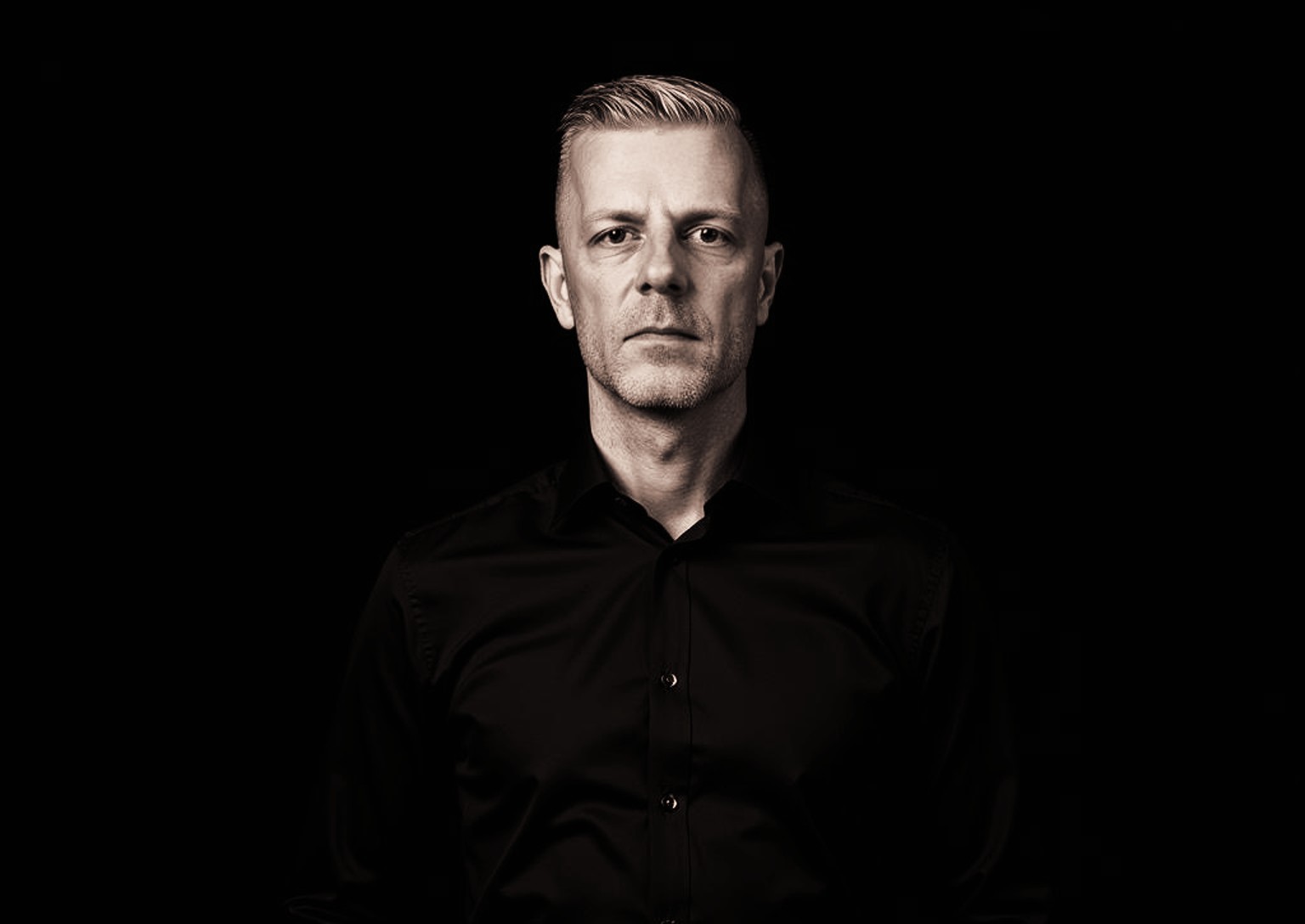
I make music as RemarkablyRichie. Dance records about love, life, friends and big feelings, the kind made for a floor rather than for looking cool.
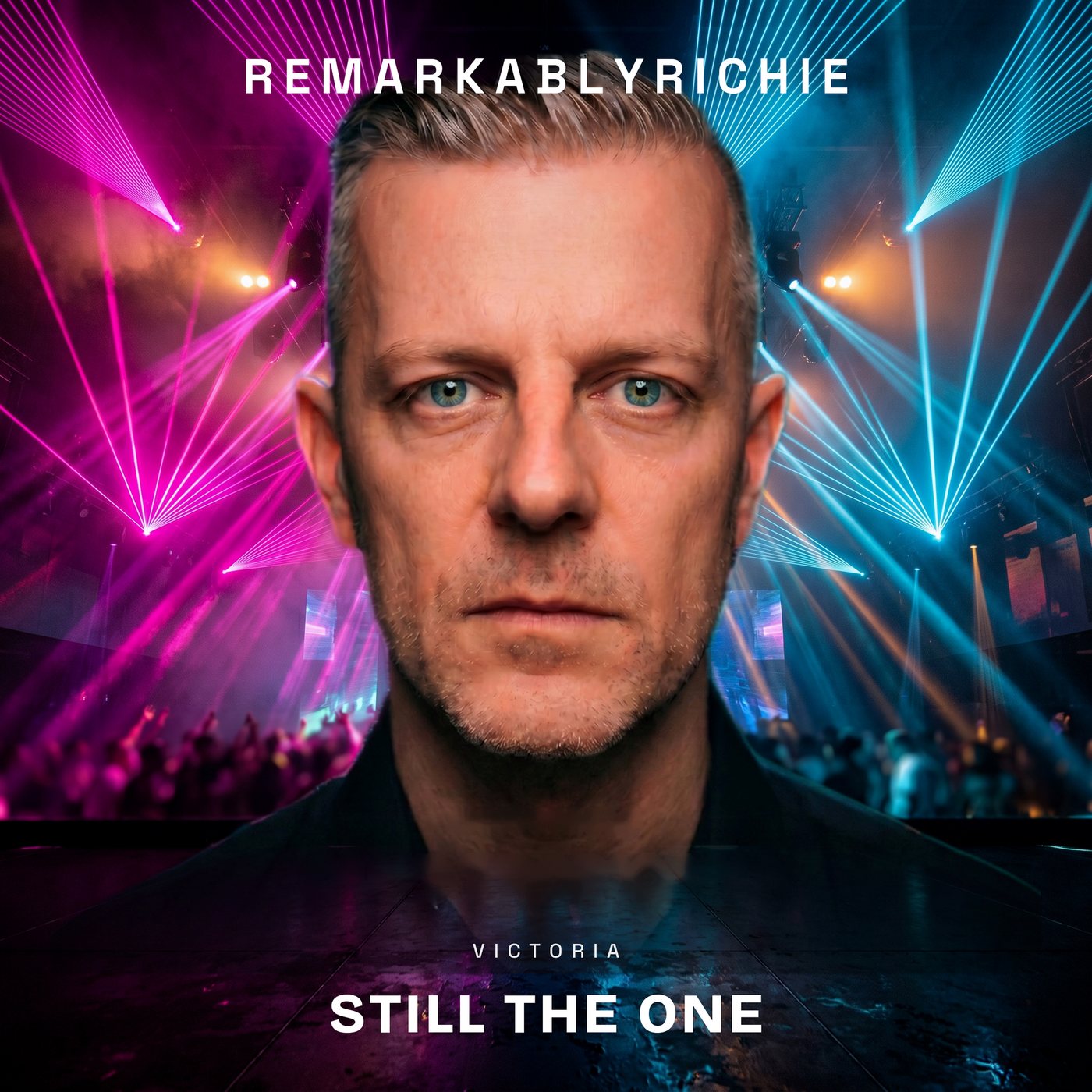
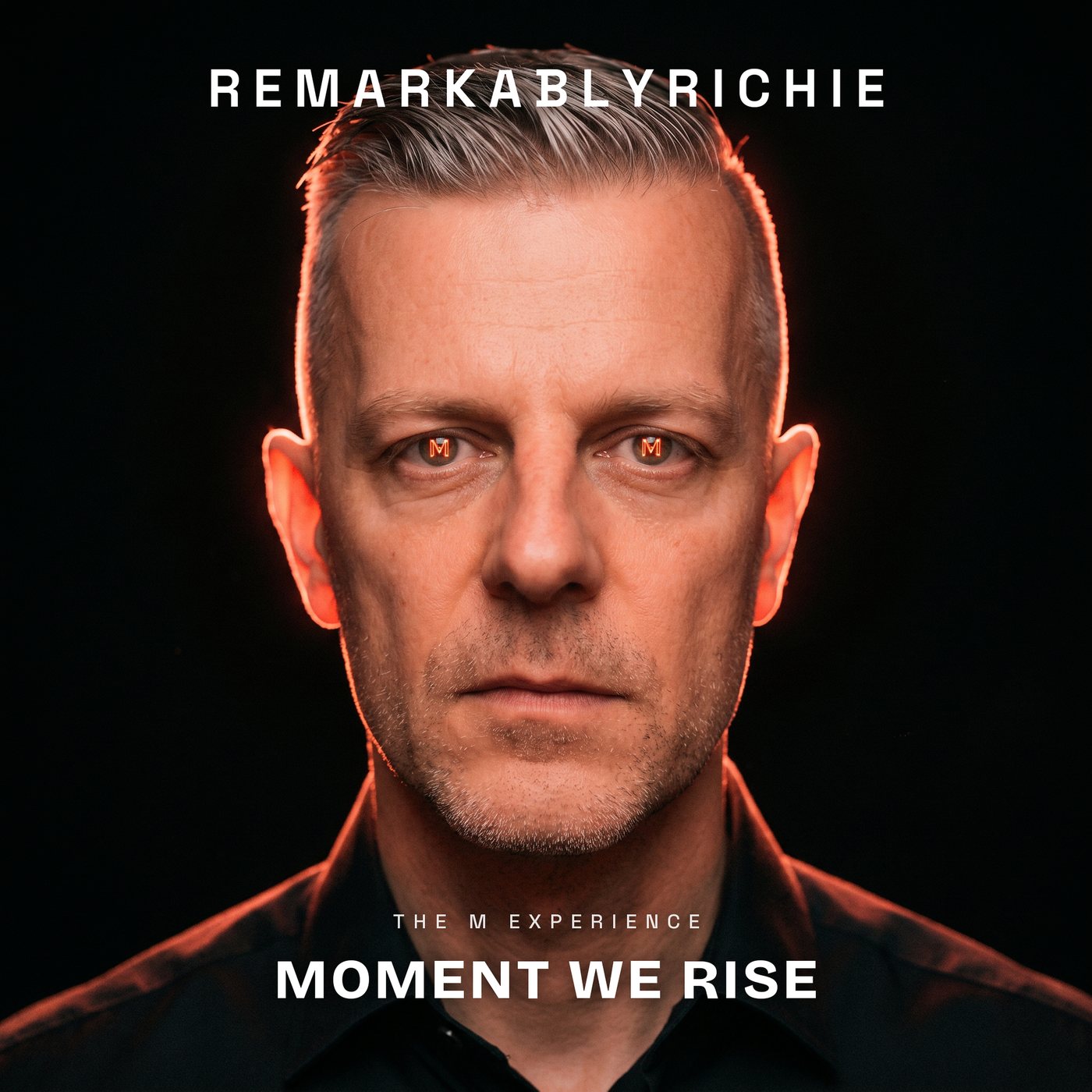
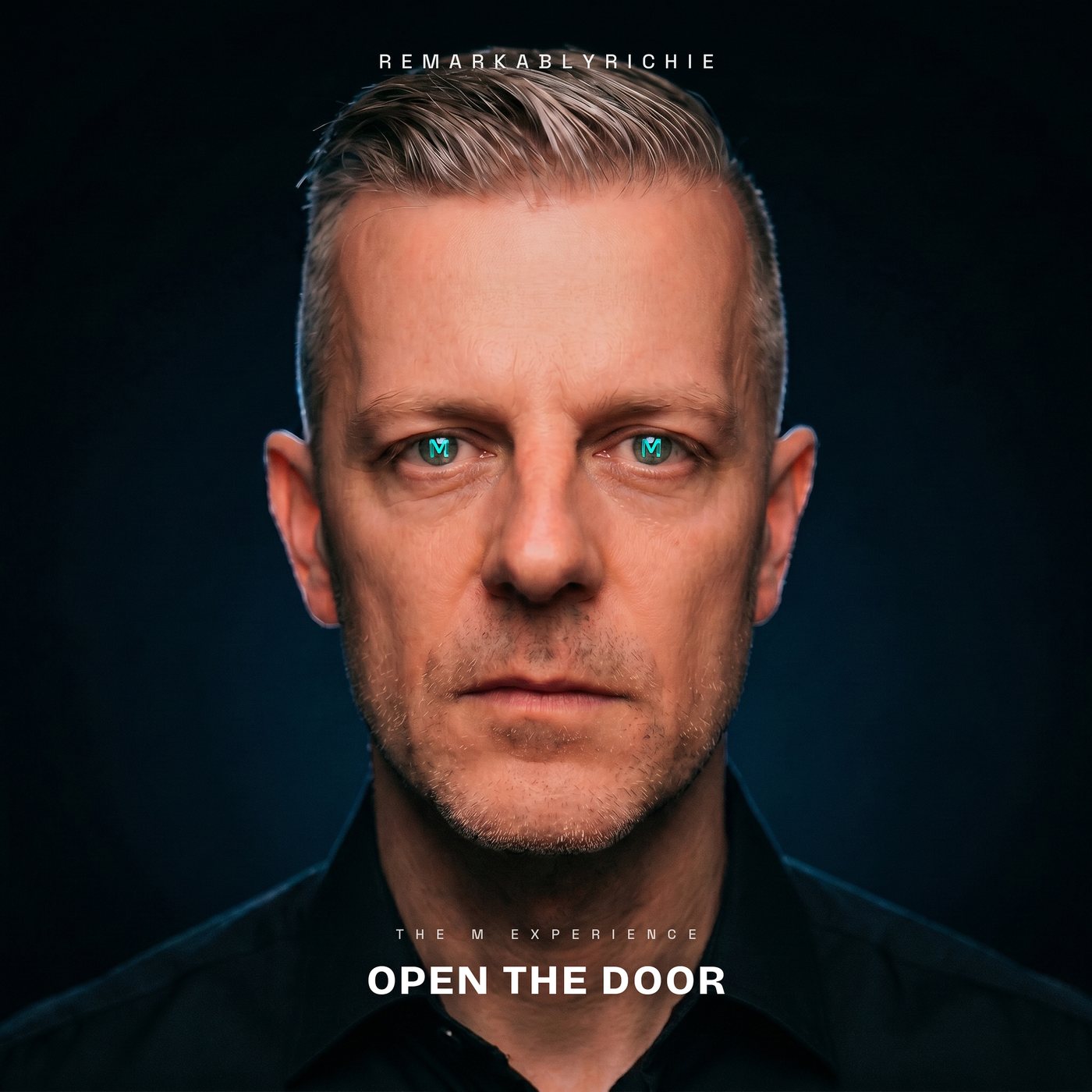
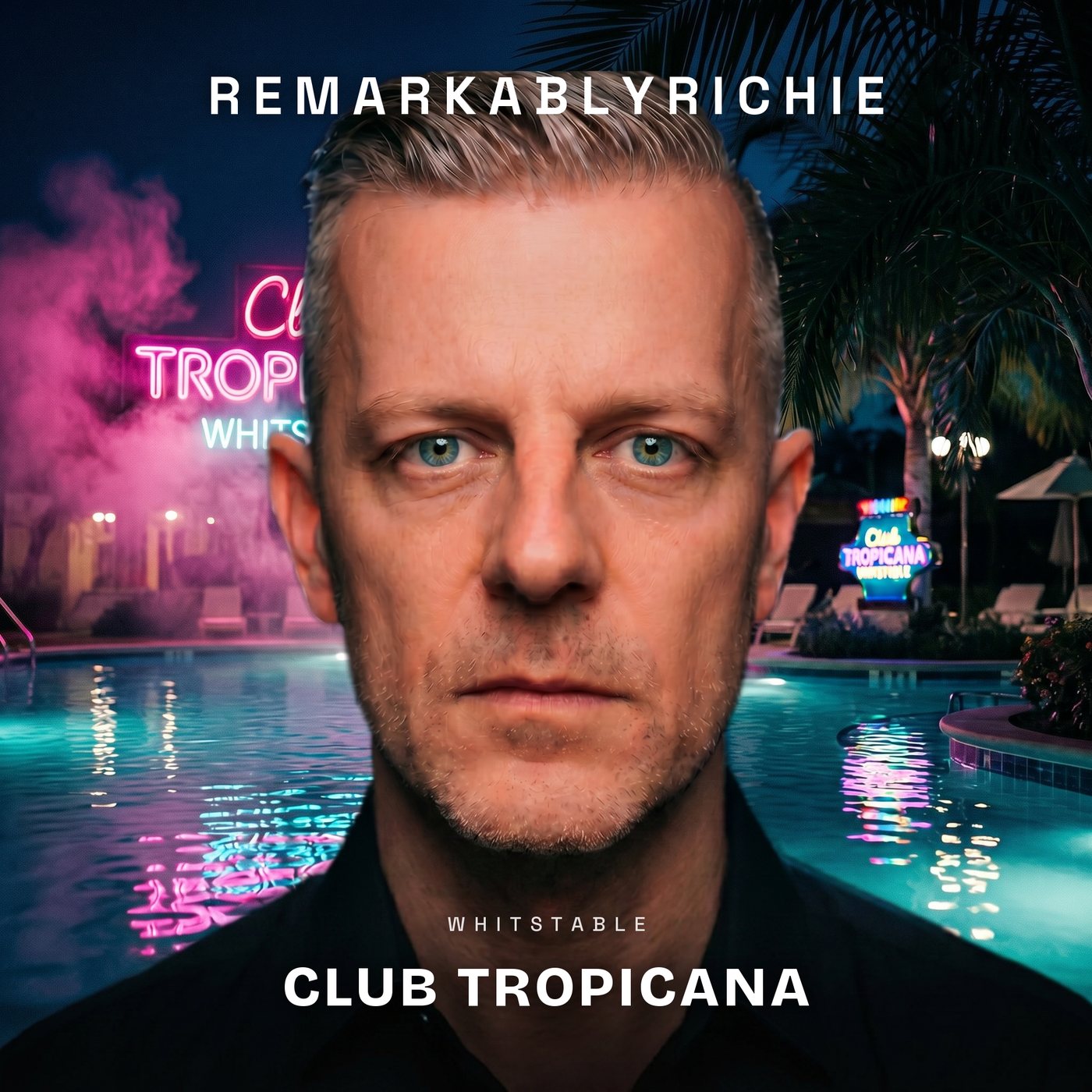
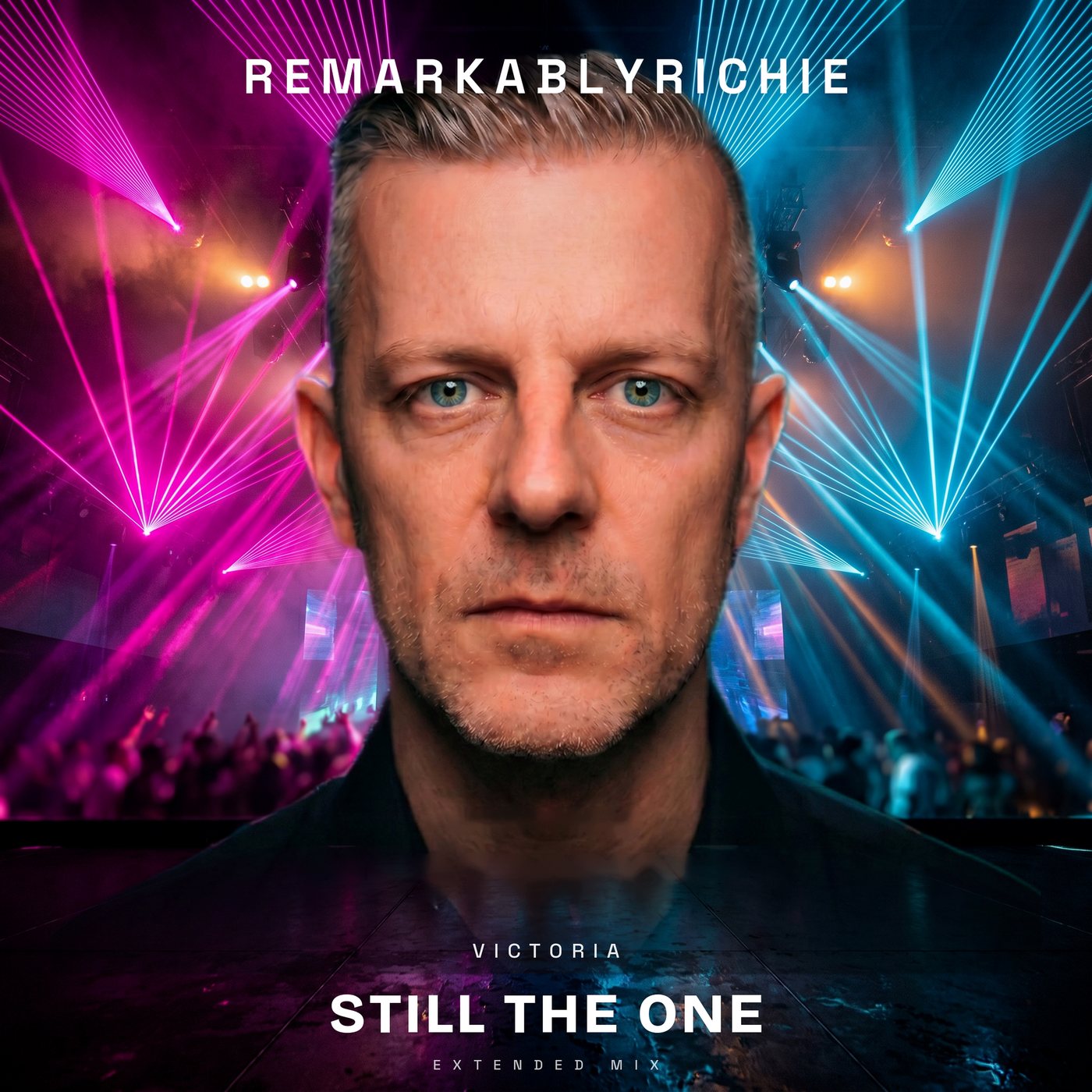
There's Whitstable Club Tropicana, a summer and Pride party record about chosen family and dancing from daylight into dark, built around the line that there's enough for everyone. There's Victoria - Still the One, a birthday record for a friend, in a standard mix and an extended mix for the clubs. And there are two records that started life as client work and became songs in their own right: The M Experience - Moment We Rise (feat. Marriott International) and The M Experience - Open the Door, written for the experience films we directed for Marriott.
Making those records has taught me things no brief ever could.
Specific is universal. A song about one friend's birthday, or one town's Pride weekend, connects with strangers because it's true. The same goes for brands. Generic "inspiring corporate music" makes nobody feel anything. A sound built from a real story, a real place and real people does.
The build matters as much as the drop. If you rush the payoff, it lands flat. Conference openers, film edits and reveals all need room to breathe before the release.
Two masters, one heart. A track for streaming and a track for a club system are mastered differently, but they have to feel like the same song. A brand's sound has to work across a phone speaker and a 2,000-seat arena without losing who it is.
The tools serve the craft, never the other way round. I use AI in my studio to sketch ideas, test arrangements and explore voices quickly. Then the real work starts: rebuilding parts, playing them in, arranging, mixing and making the decisions that give a record its soul. At Remarkably, the same rule applies. Technology widens what's possible, and people decide what's worth making.
You can hear all of it here:
Why sound is a storytelling superpower
Put it all together and you have the case for Remarkably Sounds.
Music makes people anticipate, then rewards them for it. It ties a moment to memory so firmly that a few bars can take someone back years later. It turns a room of individuals into a crowd that moves, feels and trusts together. It can carry a story when the pictures fall silent. And when it's built with care, it becomes a signature people recognise without a word being said.
Very little else does all of that at once.
So when we build a leadership conference, a brand film, an identity or a celebration, we ask early: what does this sound like? What should people feel walking in, and what should still be playing in their heads on the way home?
Sometimes the answer is a full score. Sometimes it's an anthem a whole company can sing back. Sometimes it's two notes.
It's always the part of the story people feel first.
Let's make something people feel
If you're planning a moment that matters, whether that's a launch, a conference, a film or a brand that needs a voice of its own, talk to us about Remarkably Sounds.
And if you want to hear where my head is at on a Friday night, press play. I'll see you on the dancefloor.
Rich




 Victoria - Still the One (Extended Mix)